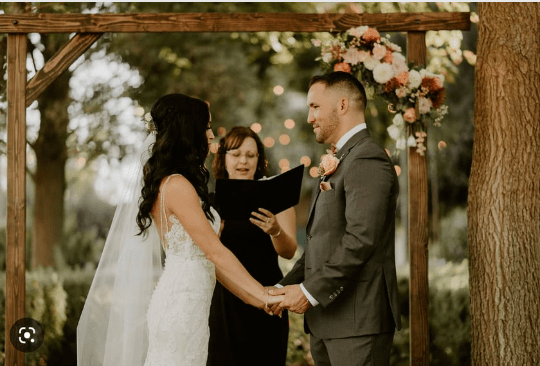
Officiating a marriage ceremony is a significant and honorable responsibility that carries both legal and emotional weight. Whether you are a seasoned officiant or embarking on this role for the first time, understanding the responsibilities and duties associated with it is crucial. Here’s a comprehensive overview of what you can expect when officiating a marriage ceremony:
1. Pre-Ceremony Preparation:
Meeting with the Couple: Before the ceremony, meet with the couple to discuss their preferences, the ceremony’s structure, and any personal touches they want to include.
Legal Requirements: Ensure that all necessary legal requirements for marriage in your jurisdiction are met. This may include verifying marriage licenses, identification, and any waiting periods.
Customization: Work with the couple to customize the ceremony to reflect their values, beliefs, and unique love story. Incorporate readings, rituals, or traditions as requested.
2. Rehearsal:
Conduct a Rehearsal: Organize and conduct a rehearsal with the couple and their wedding party to ensure everyone understands their roles and the ceremony’s flow.
Timing: Pay attention to the timing of the processional, recessional, and all elements of the ceremony to ensure a smooth execution on the wedding day.
3. Ceremony Officiation:
Opening Remarks: Begin the ceremony with a warm and welcoming address, setting the tone for the proceedings.
Vows and Ring Exchange: Guide the couple through the exchange of vows and rings, ensuring that each step is executed smoothly and with emotional resonance.
Readings and Rituals: If included, facilitate any readings, rituals, or special elements requested by the couple.
Pronouncement: Solemnly pronounce the couple as married, following any legal pronouncement requirements in your jurisdiction.
Signing of Documents: Oversee the signing of the marriage license and any other necessary documents, ensuring accuracy and legality.
Closing Remarks: Conclude the ceremony with heartfelt closing remarks, offering well wishes and blessings to the newlyweds.
4. Legal Responsibilities:
Marriage License: Ensure that the marriage license is signed correctly by the couple, witnesses, and yourself, and submit it to the appropriate authorities within the required timeframe.
Compliance: Familiarize yourself with local laws and regulations governing marriage officiation, and ensure strict compliance.
5. Emotional Support:
Counseling: Be prepared to offer emotional support and guidance to the couple, especially if they experience nervousness or emotions during the ceremony.
6. Flexibility:
Adaptability: Be flexible and adaptable to unexpected situations or changes in the ceremony, such as weather, guest participation, or last-minute adjustments.
7. Professionalism:
Attire: Dress appropriately and professionally for the ceremony, reflecting the solemnity of the occasion.
Punctuality: Arrive at the venue well in advance to ensure ample time for setup and preparation.
8. Post-Ceremony Responsibilities:
Documentation: Provide the couple with any necessary documentation, such as a marriage certificate or a ceremonial copy of their vows.
Follow-Up: After the ceremony, follow up with the couple to offer congratulations and ensure they have all the information they need for legal purposes.
Officiating a marriage ceremony is a deeply rewarding experience that requires careful planning, empathy, and attention to detail. By taking on these responsibilities with care and professionalism, you can help create a beautiful and memorable ceremony that celebrates the love and commitment of the couple and leaves a lasting impression on all in attendance.
 Vlogger